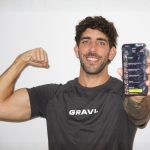
After failing with roughly 15 previous projects Louis Pereira decided the real problem wasn’t his ideas or motivation, but the amount of time he was giving each product to fail slowly and quietly.
He tried something different, he started building at noon with one simple question – could he take an idea all the way to revenue before midnight?
By the time most people were scrolling Netflix, Louis had shipped an MVP, posted it online, and gone to bed unsure whether anyone would care. They did, and that small experiment now makes around $15,000 a month.
A Part-Time Builder With a Full-Time Life
Louis is a part-time indie hacker from India, which means all of this happened at night and on weekends, alongside a full-time job in his family’s offline business.
He had been experimenting with no-code tools as far back as 2015, when they were clunkier, slower, and far less forgiving than they are today. By 2021, he was back in the internet world properly, building tools on Bubble and quietly accumulating failures. Fifteen to twenty of them, depending on how strict you are about what counts as a “product.”
At the time, Louis was running an online hackathon called Halfday Build, where people around the world would start at noon and try to go from idea to MVP and revenue by midnight. The goal wasn’t elegance or perfection, it was about movement.
Frustrated by his own low hit rate, Louis decided to build a handful of tiny tools on his personal website and share them publicly as he went and AudioPen was just one of five tools he built that week.
Not a Swiss Army Knife
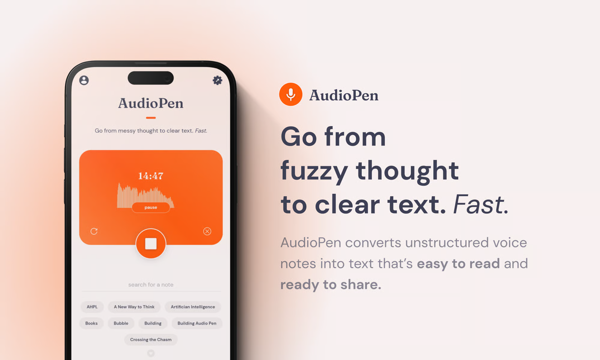
AudioPen is a B2C SaaS that doesn’t try to be feature-filled, but rather does one thing very well. You speak, it transcribes, then it rewrites what you said into a clear, readable format in the style you choose. It works across languages, on desktop and mobile, and is used for everything from capturing ideas on the go to meeting notes to fighting writer’s block.
There’s a free version that gives users a taste, and a paid version priced at $99 a year or $159 for two years. Not subscriptions designed to quietly renew forever, but fixed terms that users actively choose to extend. Refreshingly adult.
When Lewis hit his 20th paying user, he knew this one was different. Today, it has over 200,000 users and more than 5,000 paying customers.
About ten hours into the build, Lewis launched a simple waitlist so people could sign up before the product was finished. Stripe notifications started coming in almost immediately from early users who already had access and simply decided it was worth paying for anyway.
No aggressive upsell or artificial scarcity, just a product that solved a problem people hadn’t quite named until it existed.
Several things lined up at once, not least that the the product hit a real need. Lewis had built credibility by shipping in public for months, if not years, getting interest before the product even existed because people had been watching him build. And there was a small but vocal community cheering him on, which matters far more than founders like to admit, people like buying things other people already trust.
Luck, Repetition, and Cheap Experiments
Louis is open about the role luck played, but it was the kind of luck you earn by running enough experiments that eventually one of them collides with reality at the right angle. When the cost of experimentation is this low, not trying lots of things becomes the bigger risk. AudioPen worked, but only after 15 others didn’t.
Once it showed traction, Louis did something many founders struggle with, he didn’t immediately try to turn it into everything. He focused on doing one thing extremely well and resisted the temptation to expand into adjacent markets just because other apps were making money nearby.
That restraint, combined with slow, consistent improvement, is what allowed AudioPen to grow while louder, broader tools diluted themselves into mediocrity.
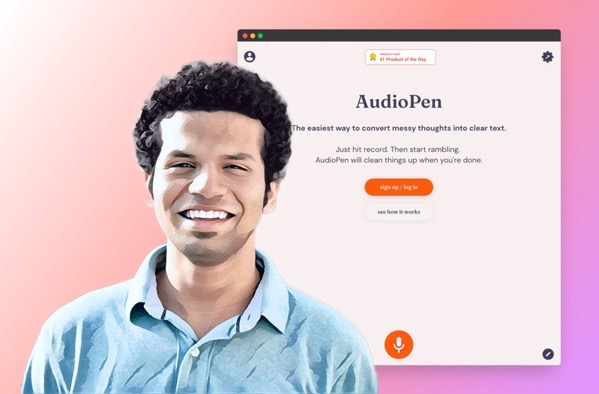
Lewis’ Playbook for Starting Again
If Lewis were starting over today, his approach wouldn’t change much, build lots of small things for fun and shut them down without guilt if they don’t work. Design before you build, because prompting an AI is easy but deciding what should exist is still hard. Share the process publicly, collect feedback early, spin up a simple waitlist if people resonate. Launch something embarrassingly simple that does its job properly.
His most underrated advice is also the simplest, if you’re an indie hacker, behave like one. It’s what the likes of Jack Friks at Post-bridge.com, Pieter Levels and Marc Louvion have mastered – not trying to sound like a polished corporation with a brand voice committee. People like buying from humans, they like following a journey. They like knowing the person behind the product actually cares, because they watched them build it.
Lewis built Audio Pen in twelve hours, but those twelve hours only mattered because of years of failed projects, public shipping, and repetition.